
Marine Life Of The Red Sea
The northern Red Sea has some of the most diverse marine life in the entire world.
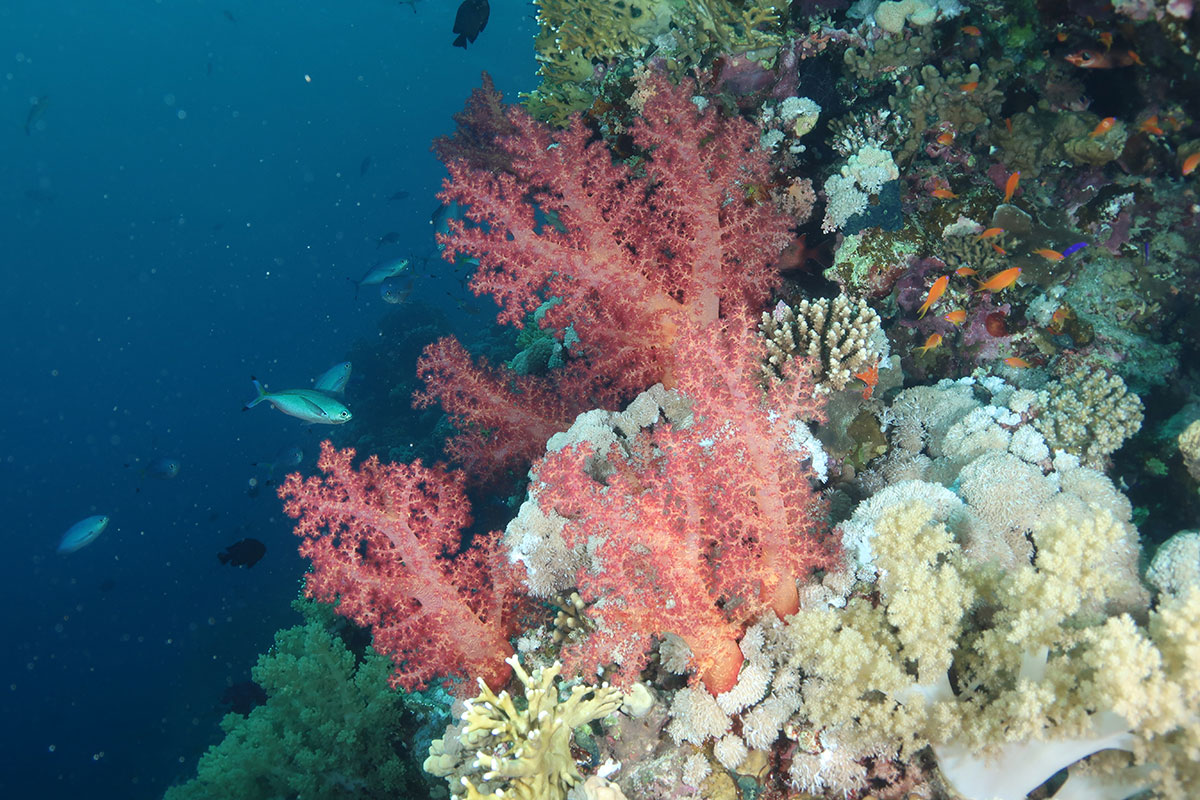
The coasts of the Red Sea are bordered by an extraordinarily long coral reef composed of both hard and soft corals which extends more than 2000 kilometers. Hard corals and soft corals are marine organisms that belong to the Coelenterata and more specifically to the phylum Cnidaria. This vast coral reef and the abundance of nutrients present in the waters of the Red Sea means that a vast array of smaller marine life lives on the reef which in turn attracts larger marine predators to the location.
The Red Sea’s underwater ecosystem is home to over 300 different species of coral and some 1200 species of fish, 10% of which are found nowhere else on earth as well as dolphins, dugongs, turtles, mantas and sharks to name just a few diverse marine species that call this area home.
Endemic varieties or types of fish that you will not find anywhere else include the Masked Butterflyfish, Picasso Triggerfish, Red Sea Flasher Wrasse, Red Sea Anemone Fish, Springer’s Dottyback, Spanish Triplefin and the Red Sea Top Shell, these are just a few examples of the unique marine life you can find in this area.
Whilst there are many beautiful species of marine life for you to see on your visit to the Red Sea divers, snorkelers and swimmers alike should be aware that there are numerous dangers as well but generally only if you should provoke these creatures.
Dangerous Marine Life
Dangerous species include Stonefish from the family of scorpaenidae who are the most poisonous of all fishes and can inject a poison from the spines on their backs, Lionfish which again can inject poison from spines on their backs.
Electric Rays can easily produce a voltage of 220 volts, Stingrays whose sharp thorns on the end of their tails present both a physical danger from stabbing wounds but are also poisonous as well.
Eels particularly Giant Moray Eels are a calm and benevolent species but if provoked and they bite you then they have long teeth with bulldog like jaws which can result in a nasty bite.
Surgeonfishes whilst pretty to look at and generally harmless have a scalpel like blade located on each side of the tail stalk.
Conidae or cone shells have a poisonous sting and whilst there are some 400 varieties 10 of them are known to be fatal.
And then of course there are sharks who through no fault of their own attract the worst possible publicity when majority of incidents are actually brought about by poor human behaviour.

Clams
Class Bivalvia
Corals
Phylum Cnidaria

Crustaceans
Phylum Arthropoda
Subphylum Crustacea
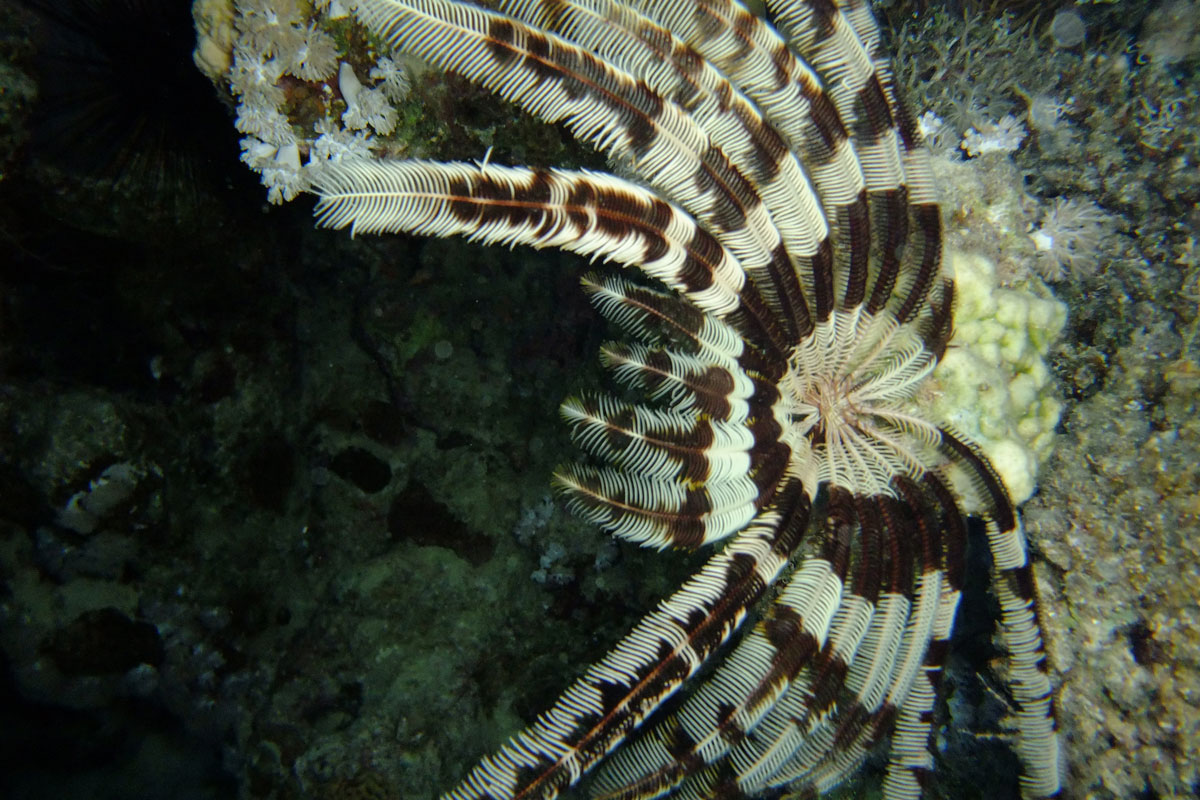
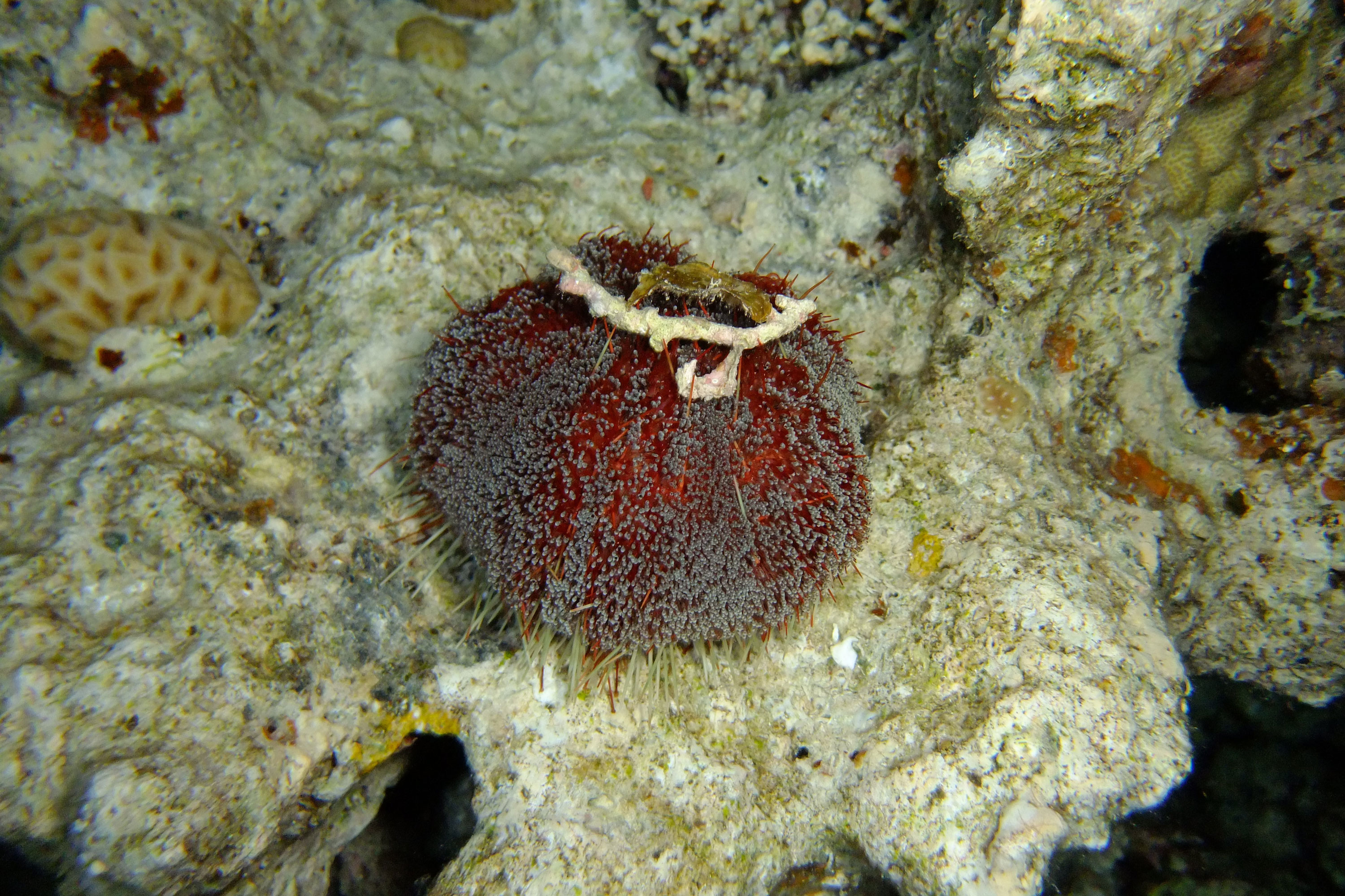
Echinoderms
Phylum Echinodermata

Eels
Muraenidae & Ophichthidae

Giant Moray Eel
A Giant Moray Eel hiding in the corals at Ras Nasrani at Nabq, Sharm El Sheikh in the Red Sea. You can see the Cleaner Wrasse are eager to get in his mouth and clean his teeth for him.
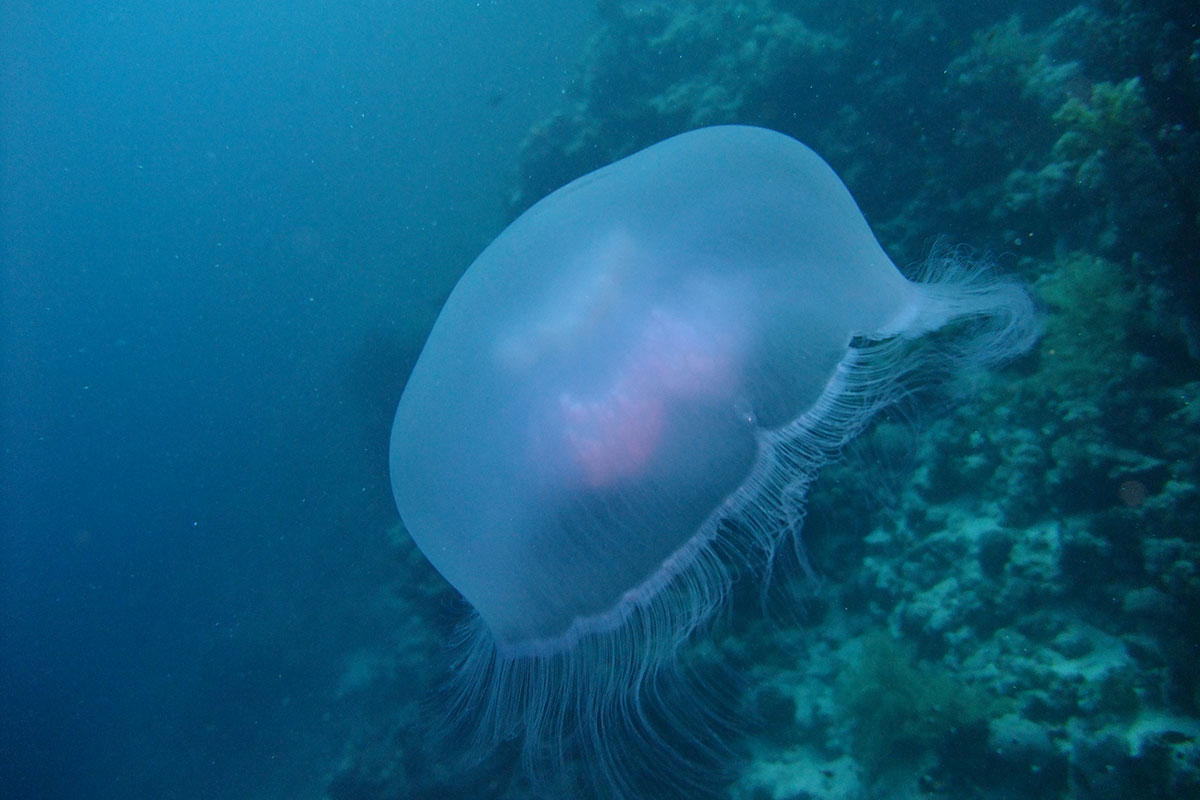
Jellyfishes
Class Scyphozoa
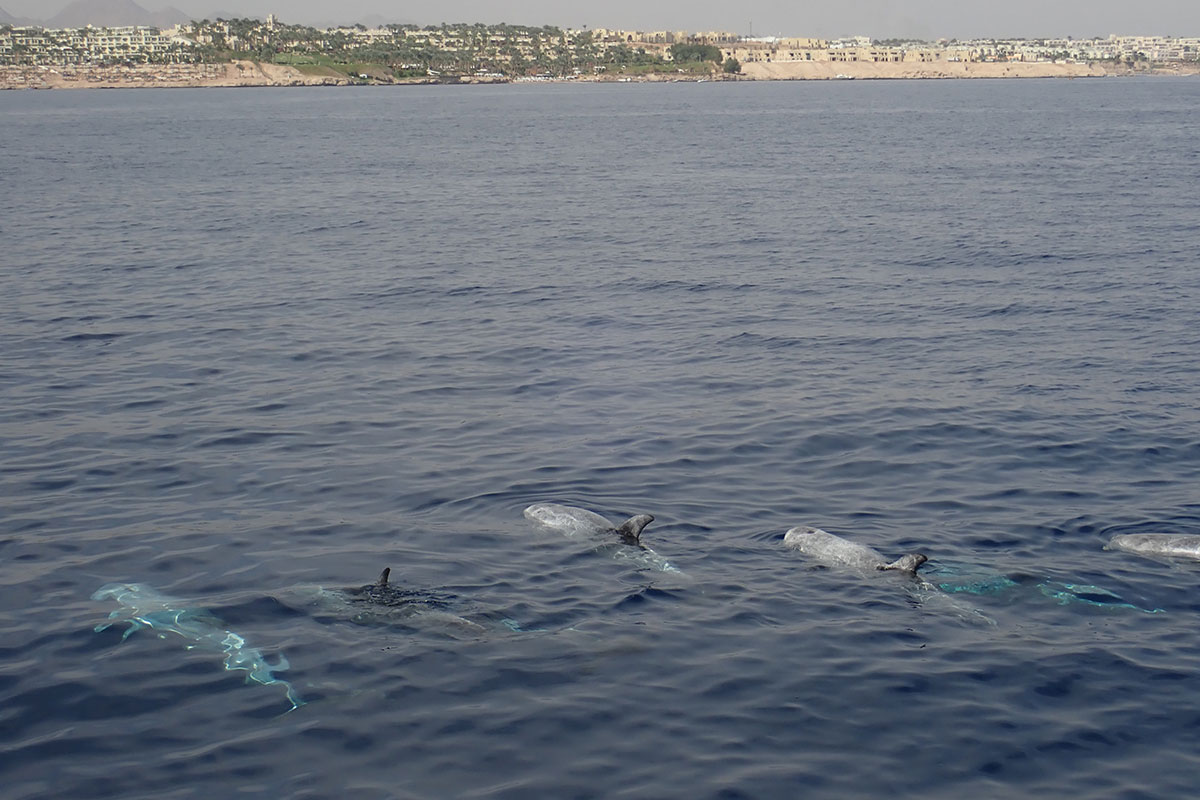
Mammals

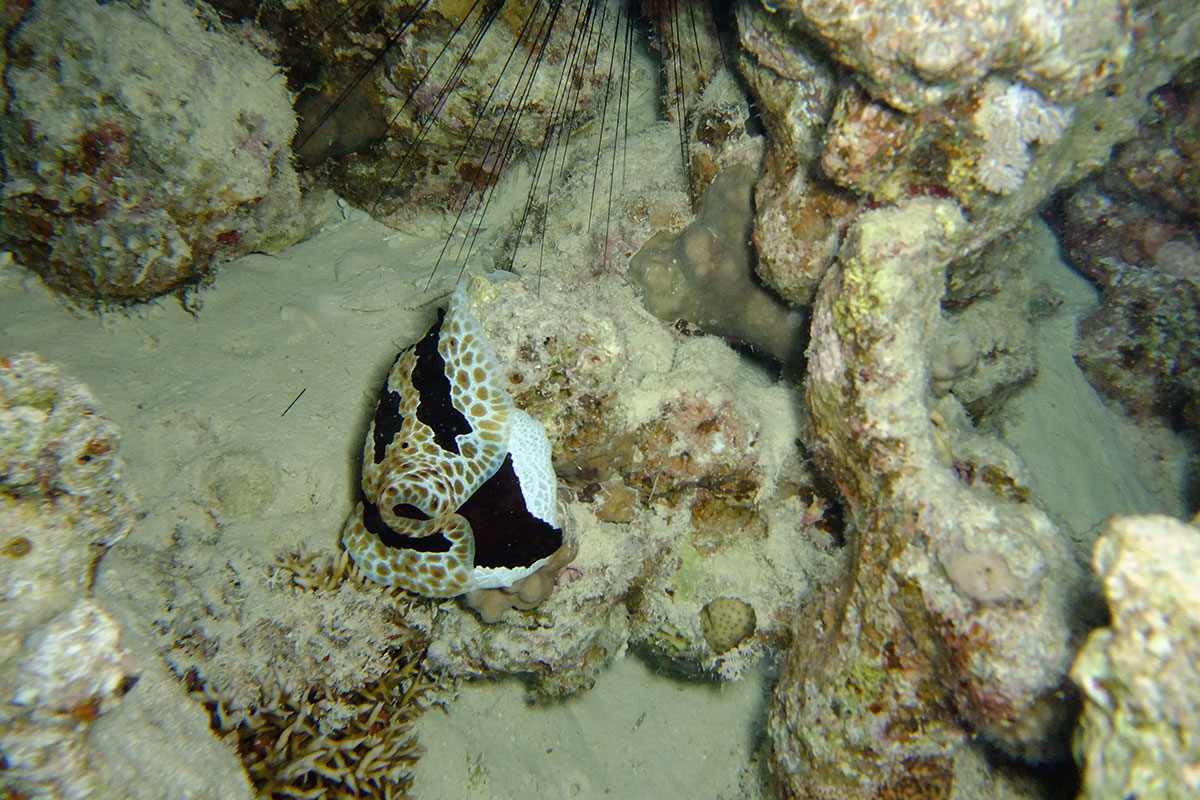
Molluscs
Nudibranchs & Slugs

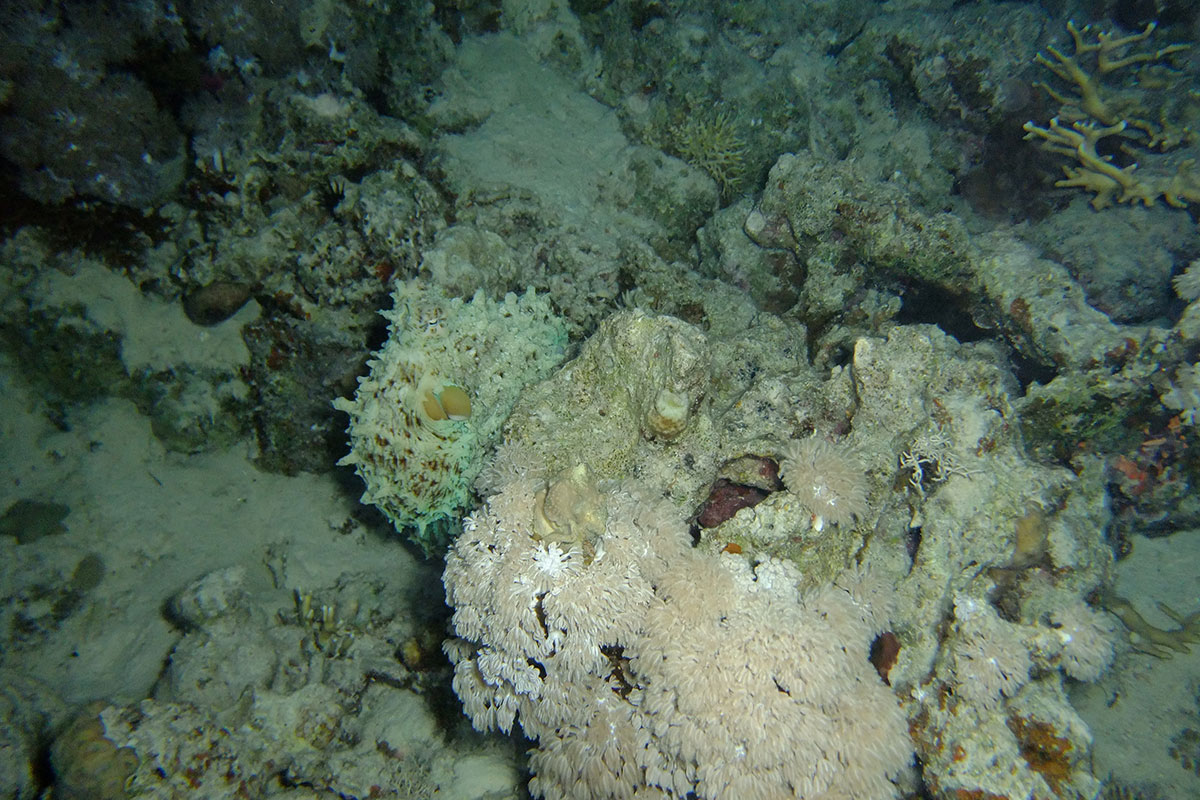
Octopus & Squid
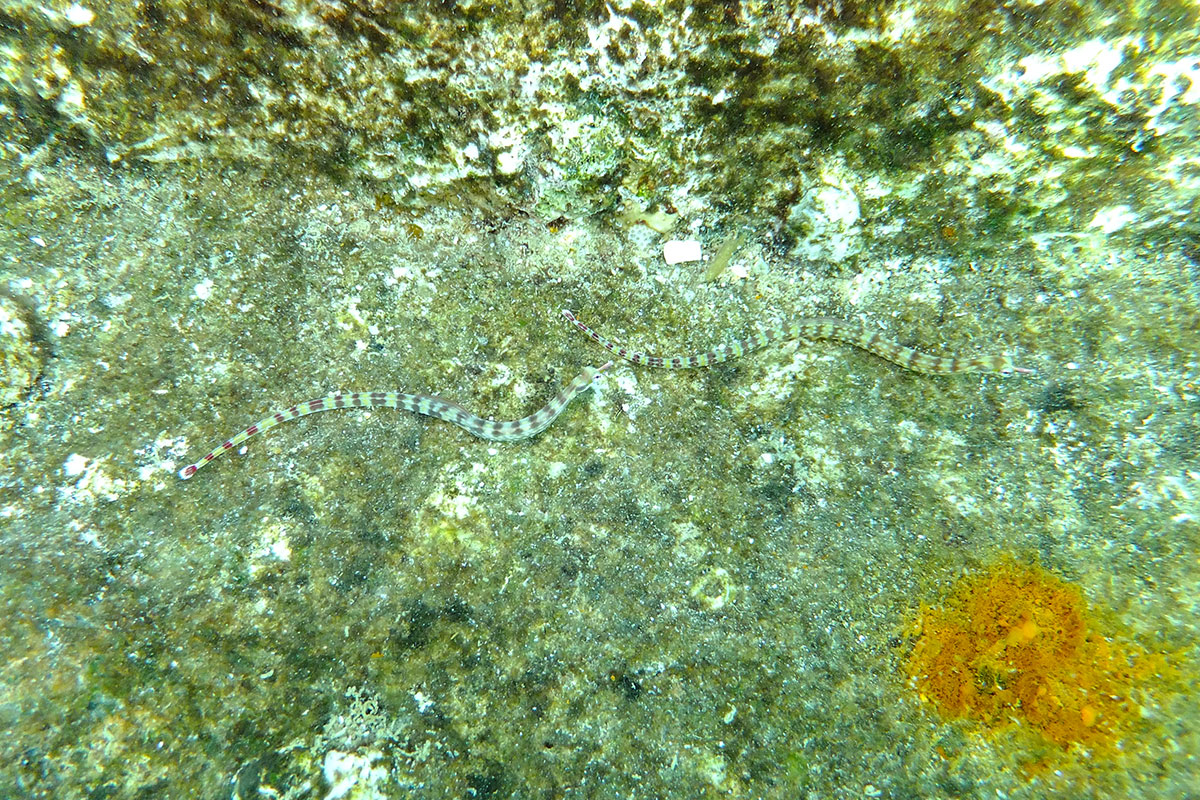
Pipefish & Seahorses
Reef Octopus
A Reef Octopus shot on one of the many reefs in the Red Sea. Octopus are timid creatures and you can see it trying to muster the courage to leave it’s coral residence whilst I’m still close to it, when it eventually decides to leave I move back in too soon and it swims straight back into another open part of the coral.


Oceanic Whitetips
Diving with Oceanic Whitetips Carcharhinus Longimanus at Elphinstone Reef in the central Red Sea. As you can see there are lots of divers in the water and it is generally considered safe but you must be on your guard at all times as these sharks are man-eaters and have been responsible for more human deaths than all other shark types collectively.
Marine Life Gallery
Our Marine Life Gallery will randomly select 12 high quality photos and will display different images for you each time you visit, we are constantly adding more gallery images for your enjoyment.


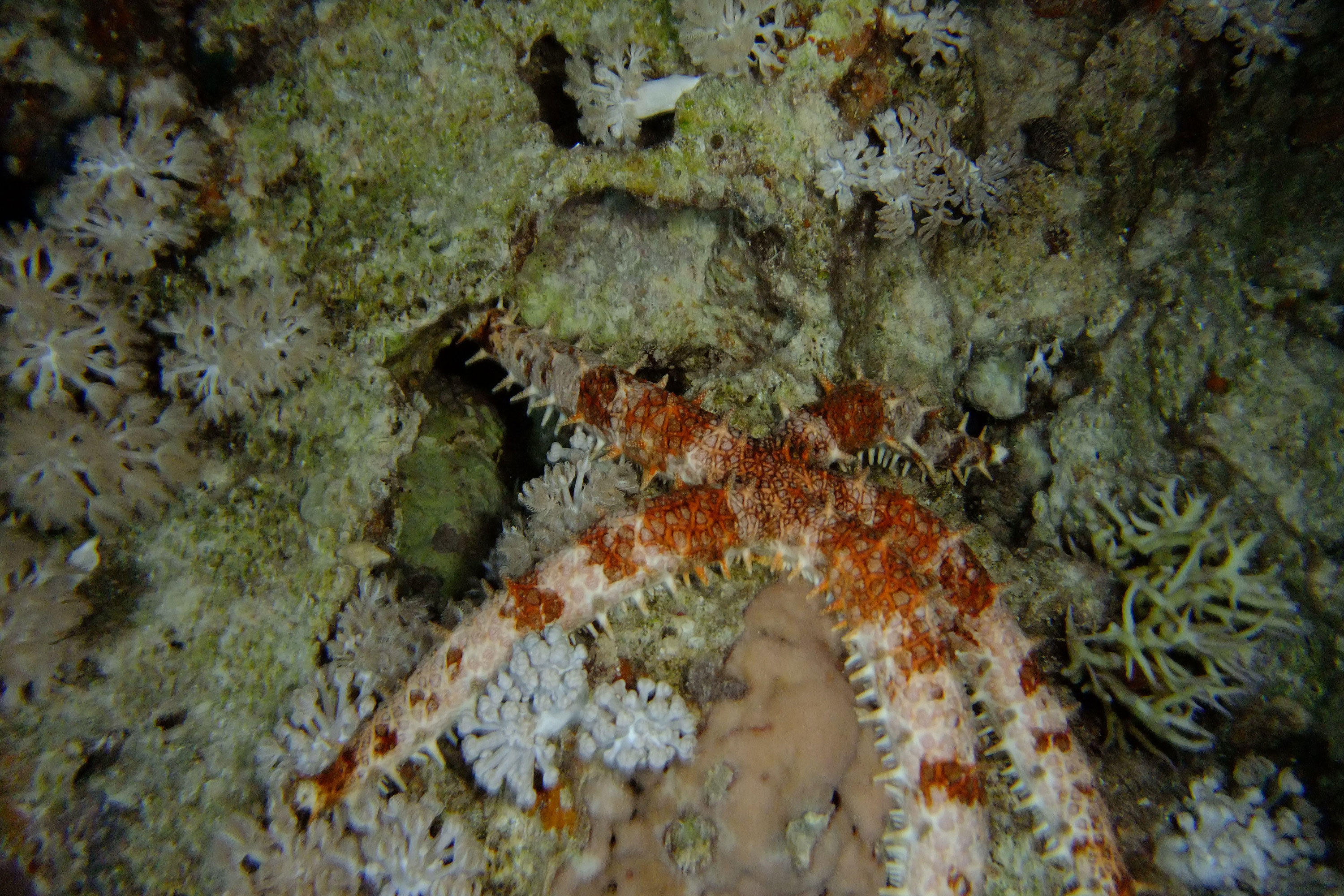

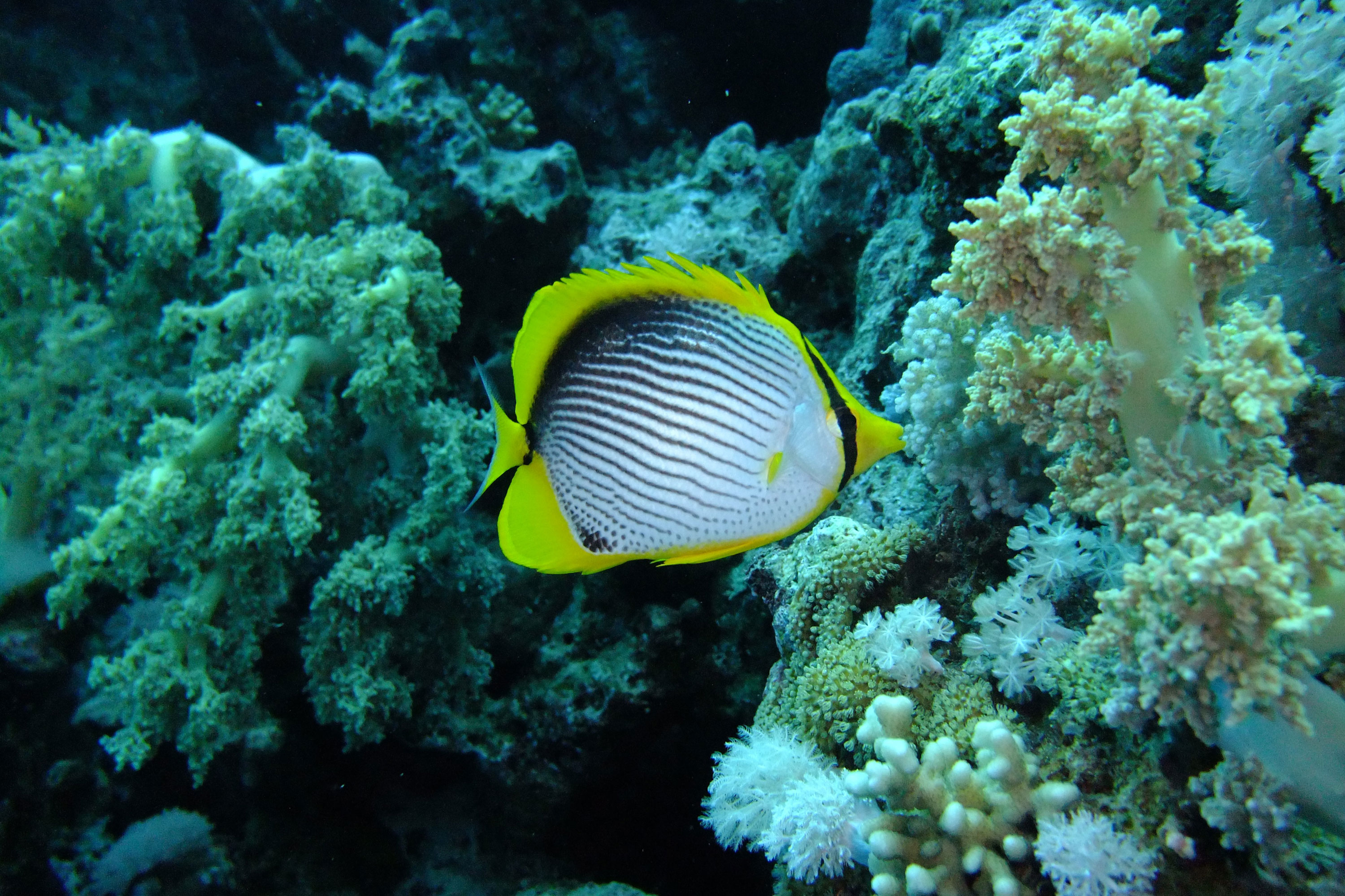


We are always looking for new photos to add to the site, if you would like to send some then please forward to photo@redseadive.co.uk with details of your name and where the photo was taken, credit will be given on the site. Thanks in advance 😉