
Echinoderms
Echinoderms
Phylum Echinodermata

Echinoderms are an ancient group of animals that first appeared around 500 million years ago. Today there are over 6500 species, echinoderms are exclusively marine and except for a few deep water pelagic sea cucumbers they live on the sea floor. They are either scavengers or predators of sessile (rooted, not moving) organisms, sifters of sediment or filter feeders.
Echinoderms have a radially symmetric body plan and a water vascular system. They lack a head, brain or heart and have a skeletal, circulatory and nervous system that radiate in five directions from a central axis.
Their unique water vascular (ambulacral) system consists of complex reservoirs and canals that draw water through a sieve plate and ends in numerous tiny hollow tube feet. These feet are powered by water pressure and used for locomotion, feeding and in some cases respiration. Some forms lack tubed feet but all echinoderms have the ambulacral system.
Echinoderm class is split into the following subclasses.
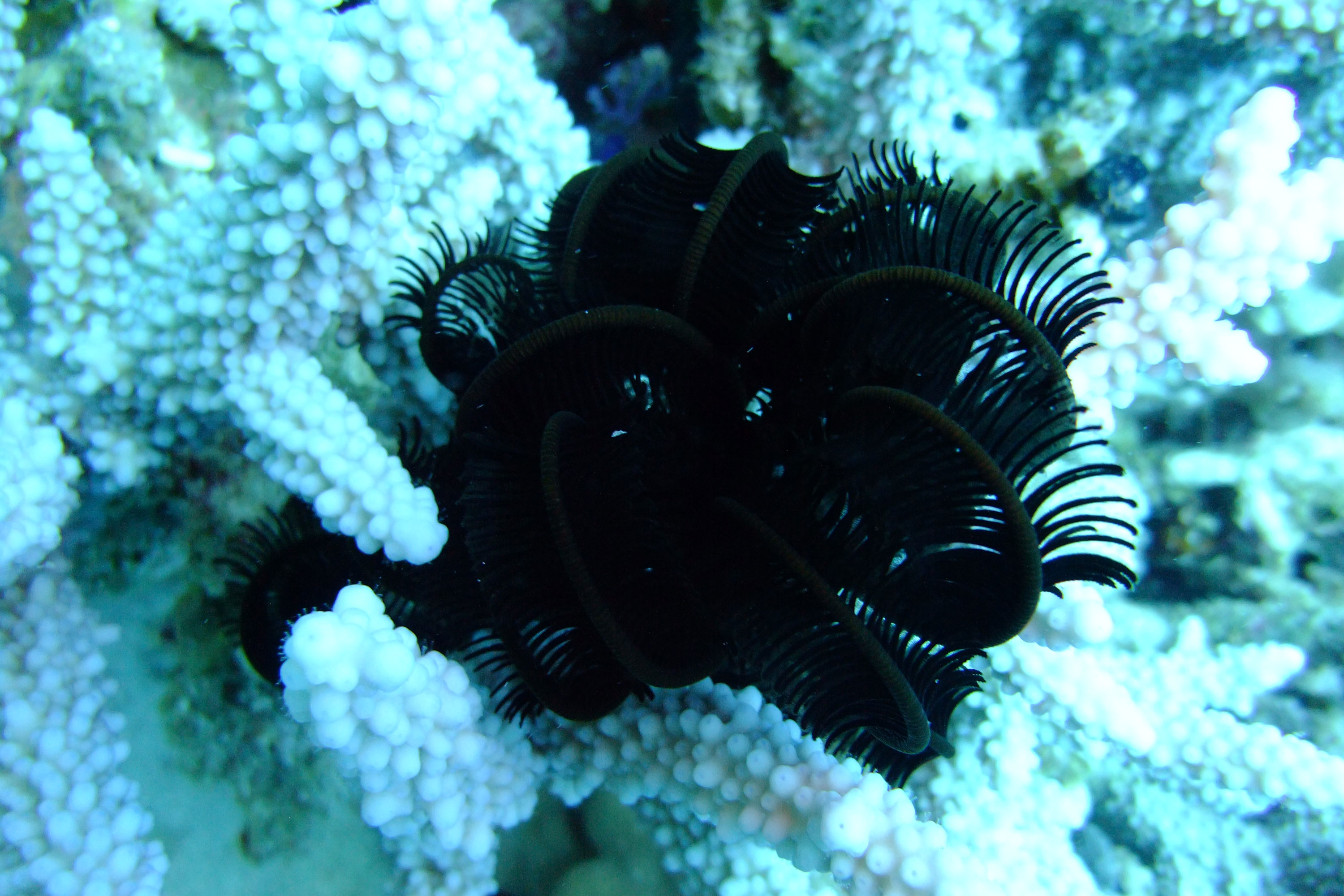
Feather Stars class Crinoidea were the first echinoderms and were once the dominant animals of ancient sea floors. They have five to two hundred narrow flexible arms usually lined with sticky cirri which capture plankton that is shunted to a central mouth. Some primitive forms are permanently attached by a long stalk, most coral reef species have several short claw like arms used to cling to objects exposed to currents.
Brittle Stars class Ophiuroidea typically have five narrow arms connected to a discrete central disc. These may be armed with hair like spines that can break off and irritate a divers skin. Most are detritivores (an organism that uses organic waste as a food source) that hide within holes or under rocks. Others are commensals (live with, on or in) of gorgonians and sponges.
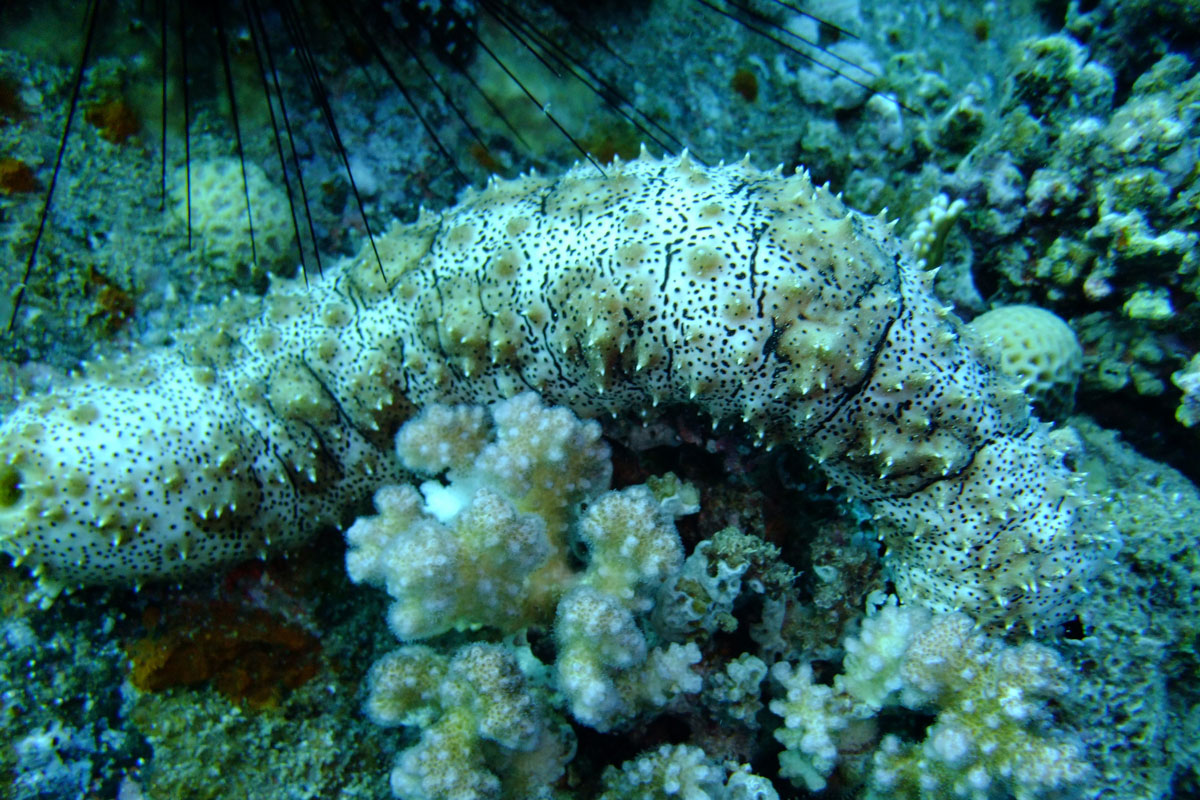
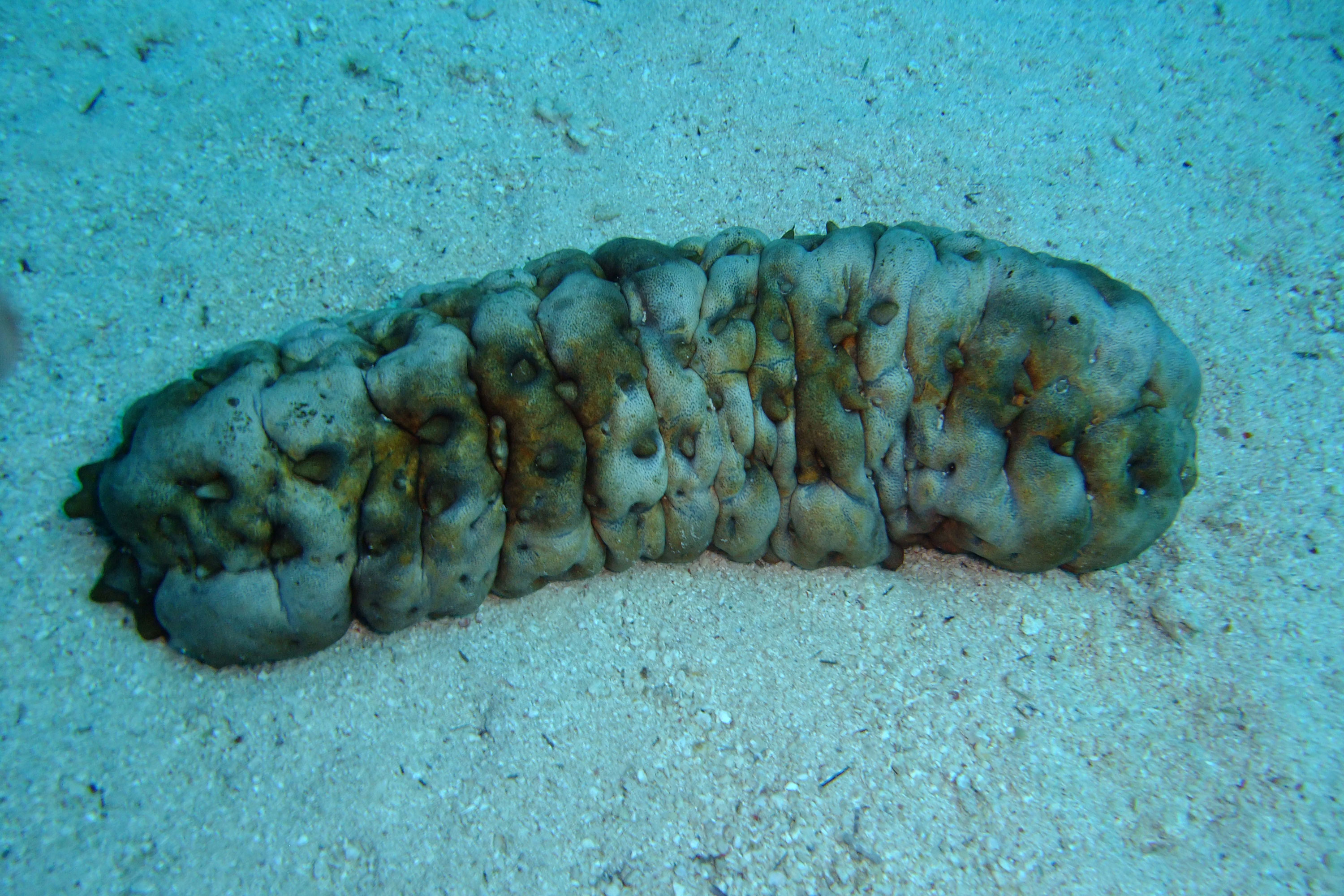
Sea Cucumbers class Holothuroidea typically ‘lie on one side’ modified with tube feet for attachment or mobility. In defence some sea cucumbers emit sticky, sometimes toxic white threads form the anus.
Sea Stars class Asteroidea typically have five arms, each with an ambulcural groove on the underside that is lined with tube feet and converges on a central mouth. They are typically predators or detrivitores (an organism that uses organic waste as a food source) that crawl on their tube feet and evert their stomach to digest food externally.
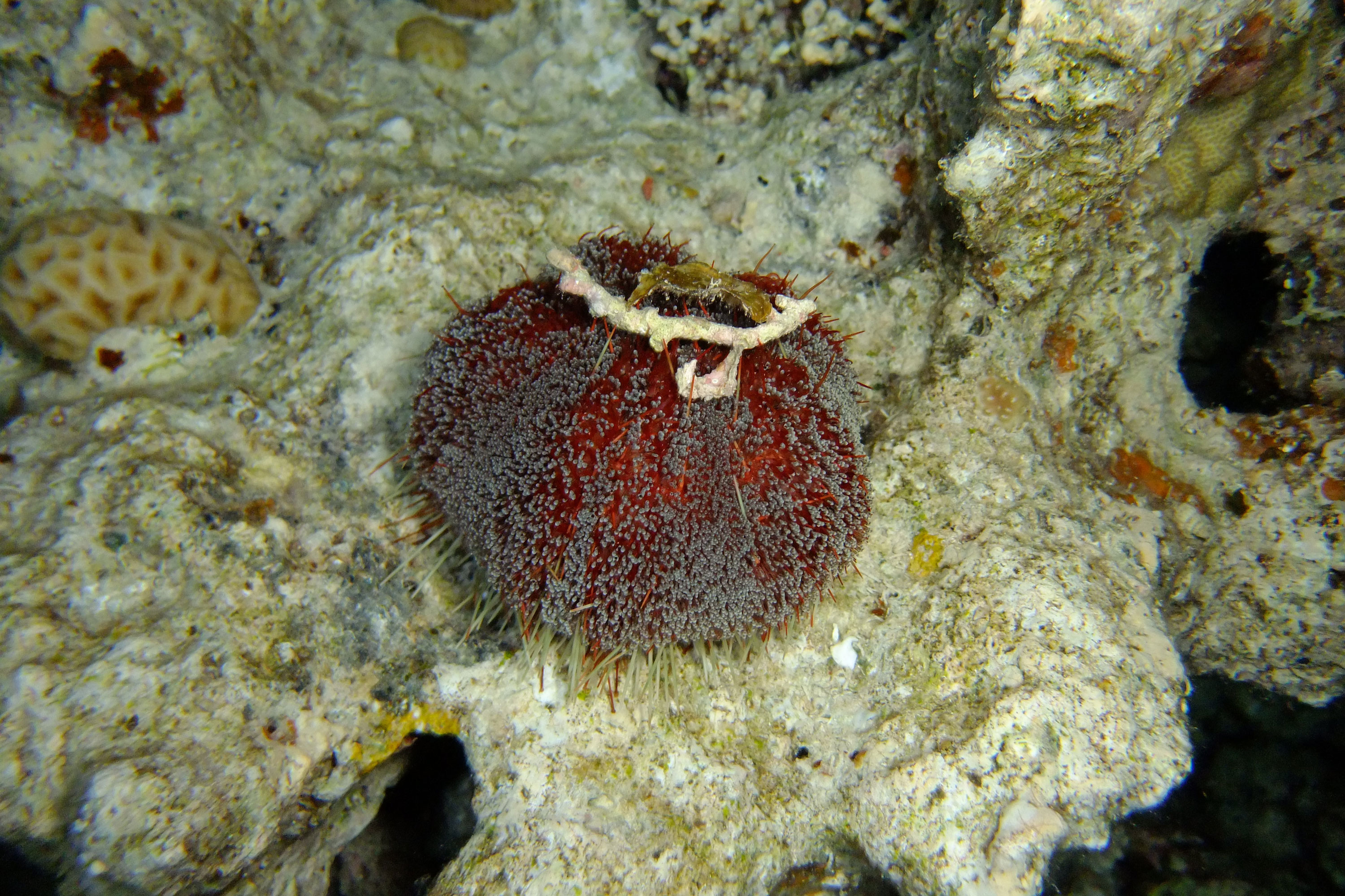
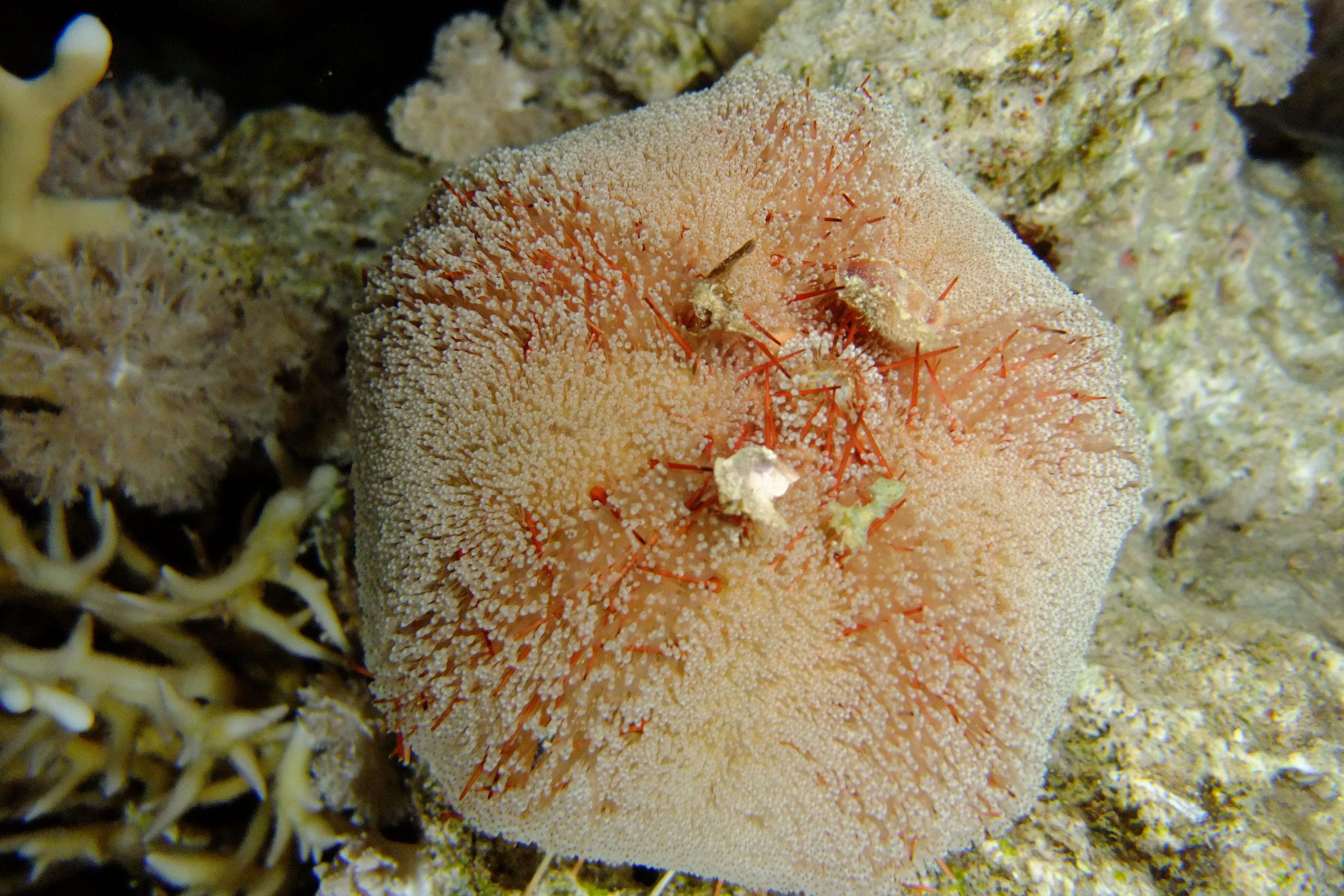
Sea Urchins class Echionoidea have a globular or flattened skeleton of fused plates bristling with moveable spines and tubed feet. The mouth is located on the underside and equipped with a five part radial set of jaws and teeth used for scraping algae or other food .
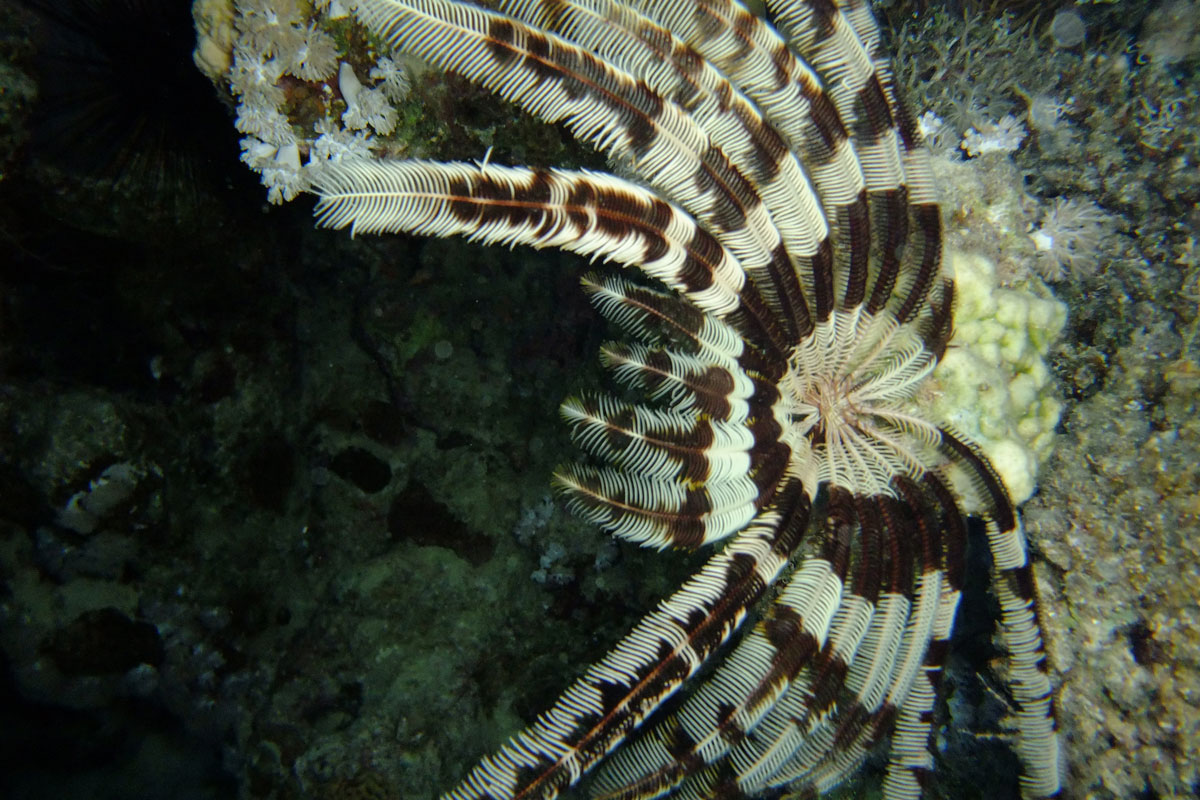
Feather Stars
Class Crinoidea
Brittle Stars
Class Ophiuroidea

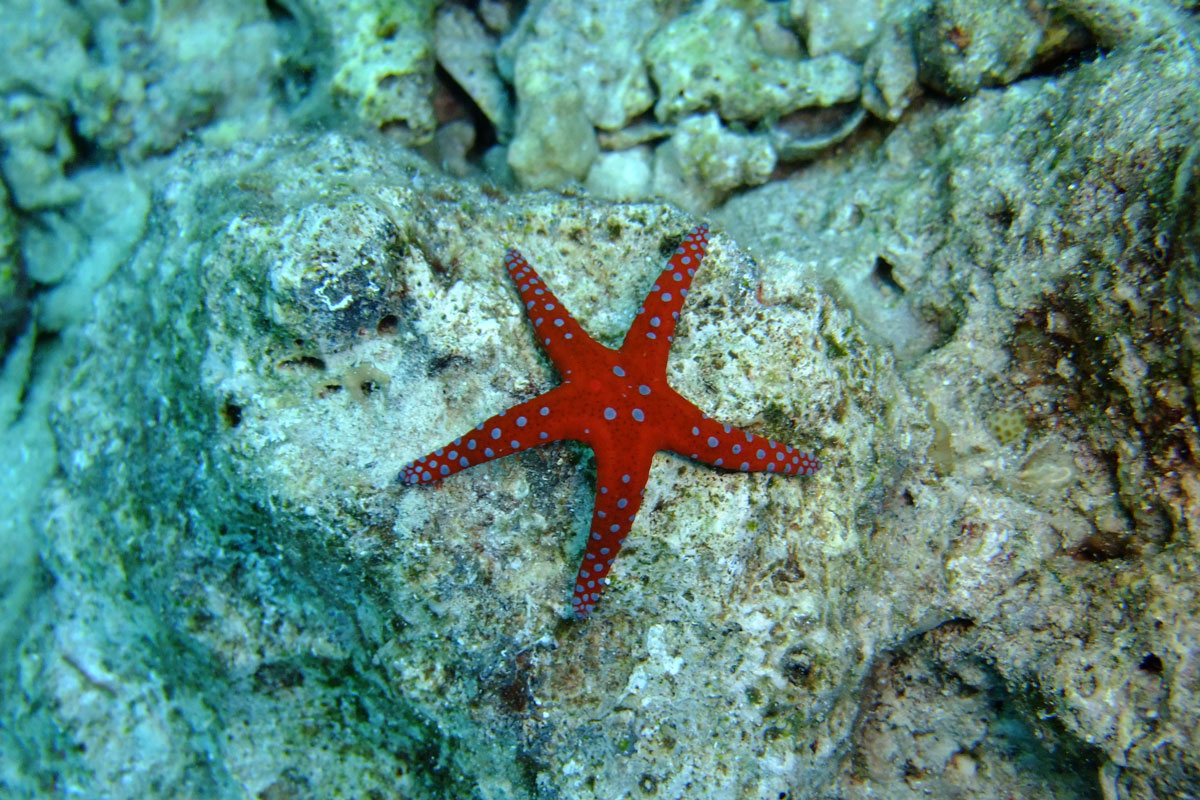
Sea Stars
Class Asteroidea
Sea Cucumbers
Class Holothuroidea

Sea Urchins
Class Echinoidea
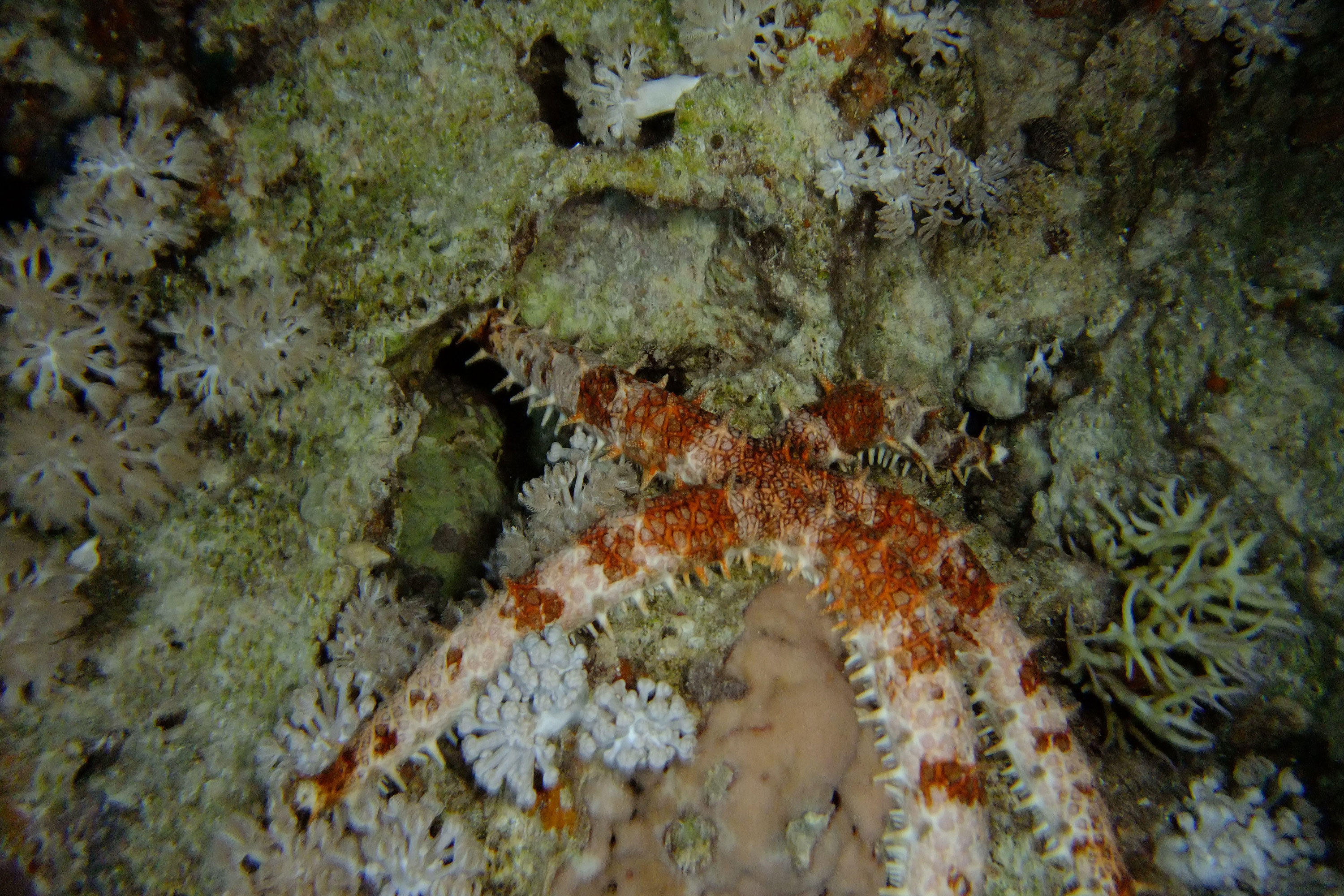
Thorny Sea Star
Thorny Sea Star, this is a member of the Echinoderm class, obviously they don’t do anything very exciting to video 😉
Echinoderm Gallery





We are always looking for new photos to add to the site, if you would like to send some then please forward to photo@redseadive.co.uk with details of your name and where the photo was taken, credit will be given on the site. Thanks in advance 😉