
Rays
Rays
Batoidea

Elasmobranchii
Elasmobranchii are a subclass of Chondrichthyes or cartaliginous fish and is made up of sharks, rays, skates and sawfish. Members of this group are characterised by having five to seven pairs of gills, rigid dorsal fins and small placoid scales on their skin.
The earliest elasmobranch fossils come from the Devonian period (420 million years ago to 358 million years ago). Many surviving orders date back to the Cretaceous period (145 million years ago to 66 million years ago) or even earlier. Many species became extinct during the Permian period (299 million years ago to 252 million years ago). Subsequently there was a burst of adaptive radiation (a process in which organisms diversify rapidly from an ancestral species into a multitude of new forms) during the Jurassic period (201 million years ago to 145 million years ago).
Batoidea
Rays class Batoidea evolved from sharks 100 million years ago and share the same cartilaginous skeleton. Their body is flattened and is flattened and disc like.
Manta Rays Manta birostris and Eagle Rays Myliobatidae fly through the seas with graceful flapping movements of their ‘wings’. Whilst Stingrays Dasyatidae undulate the edges of their discs and Wedgefishes Rhinidae, Guitarfishes Rhinobatidae and Torpedo Rays Torpedinidae swim primarily with their tails like there shark relations.
Dangerous Marine Life
Fishes can pose a threat to humans by either stinging, biting or being poisonous to eat. As a diver you are entering an alien environment and you should remain respectful of all marine life at all times.
Whilst Rays are not considered a threat in general to divers and snorkellers the Stingray has one or more sharp detachable spines at the base of a long tail which are capable of causing sever wounds.
The famous naturalist Steve Irwin the Crocodile Hunter suffered these wounds which proved to be fatal. Steve was filming the documentary series Oceans Deadliest, during a lull in filming caused by inclement weather he decided to snorkel in shallow water in an effort to provide footage for his daughter television program Bindi The Jungle Girl.
While swimming in chest deep water Steve approached a Short Tail Stingray Bathytoshia brevicaudata with an approximate span of 2m (6.5 feet) in order to film it swimming away. According to the incidents only witness the Stingray started stabbing wildly with it’s tail, hundreds of strikes in a few seconds. As a result, Steve initially believed he had incurred a punctured lung, however the Stingrays barb had pierced his heart and he bled to death. It is believed that the Stingrays behaviour was a defensive response to being boxed in by Steve and his crew.
The link above will take you to the Wikipedia page all about Steve Irwin. Steve is considered one of the great conservationists of modern times.

Leopard Torpedo Ray
Torpedo Panthera
Marbled Torpedo Ray
Torpedo Sinuspersici


Bowmouth Wedgefish
Rhina Ancylostoma
Whitespotted Guitarfish
Rhynchobatis Djiddensis

Halavi Guitarfish
Rhinobatus Halavi
Darkspotted Stingray
Himantura Uarnak
Marbled Torpedo Ray
Marbled Torpedo Ray Torpedo sinuspersici in this video is a juvenile and can be seen swimming across the sandy plain at the entrance to the canyon at the Marsa Bareika divesite in the Ras Mohamed National Park in the Red Sea.

Bluespotted Stingray
Taeniura Lymma
Blackblotched Stingray
Taeniura Meyeni


Fantail Stingray
Pastinachus Sephen
Thorny Ray
Urogymnus Africanus


Spotted Eagle Ray
Aetobatis Narinari
Thurston’s Devil Ray
Mobula Thurstoni
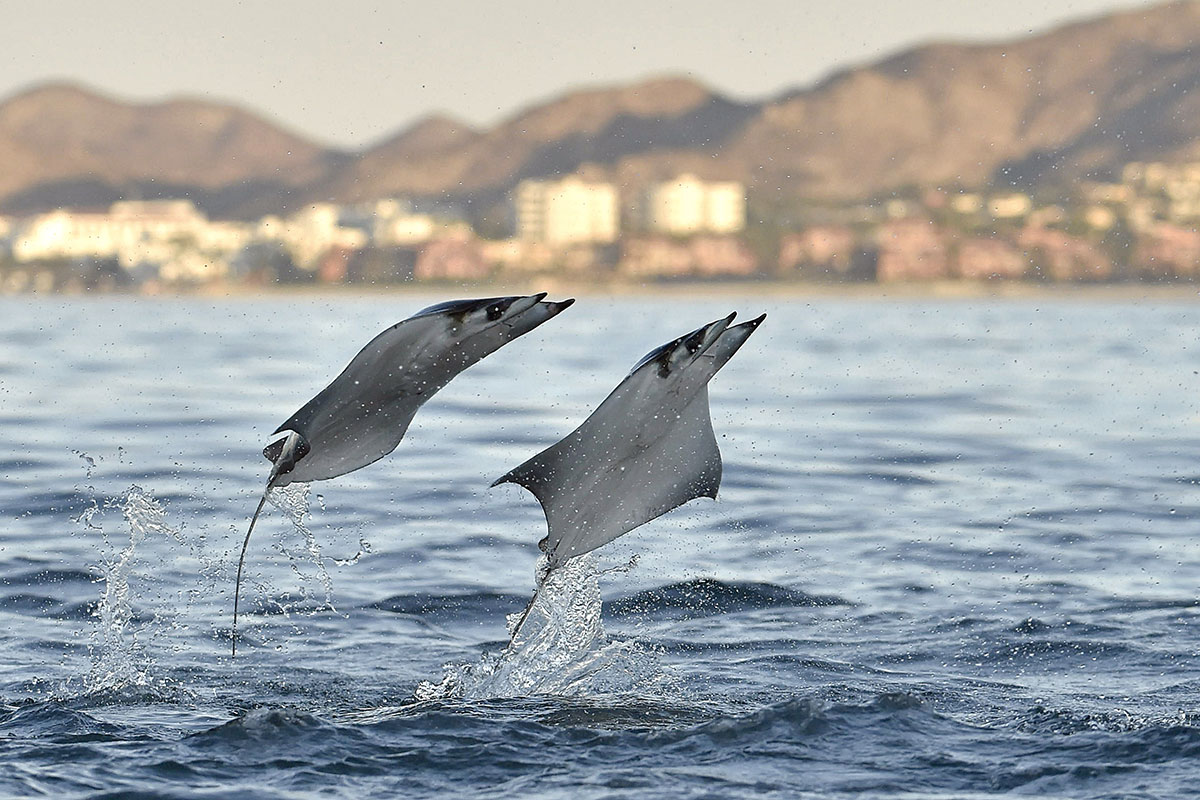
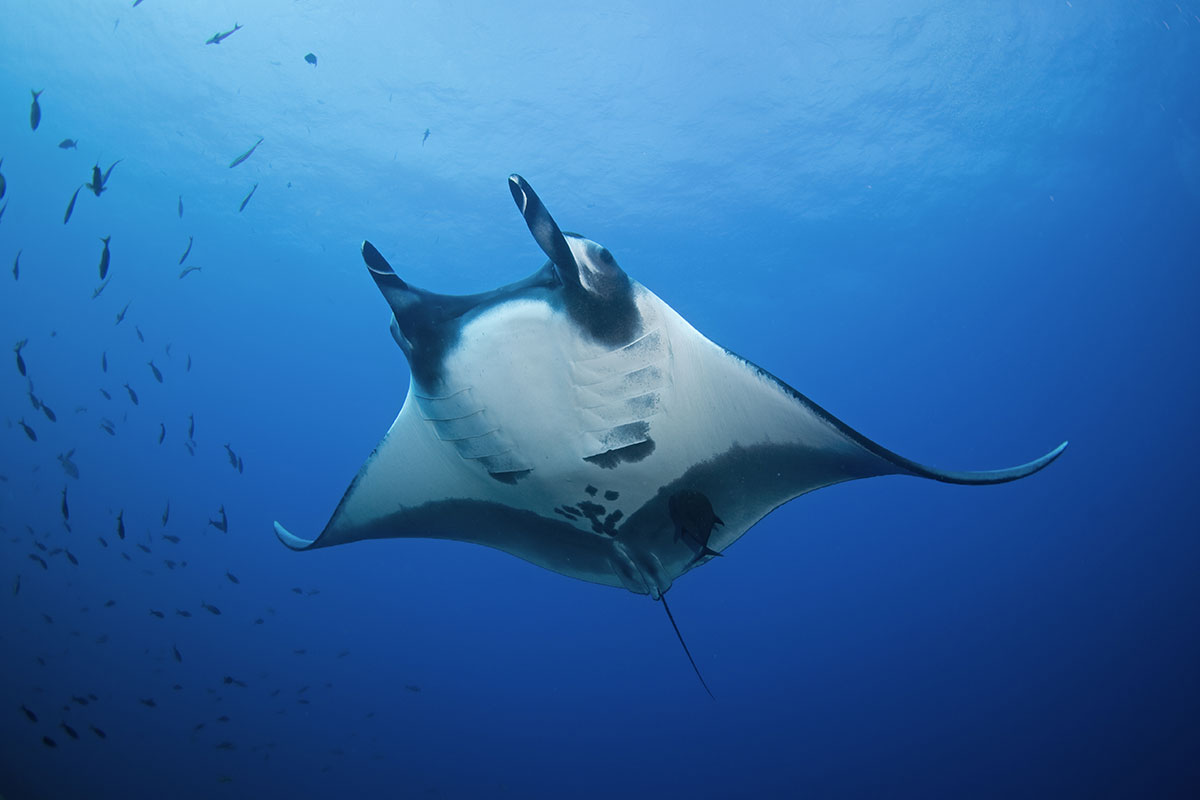
Manta Rays
Manta Birostris
Blue Spotted Stingrays
Blue Spotted Stingrays Taeniura meyeni foraging in the sand at a divesite in Ras Mohamed National Park in the Red Sea. Whilst these rays are placid in nature and don’t cause divers any problems they are a dangerous organism due to the fact that they have a poisonous spine on their caudal fin (tail) which can inflict a painful sting. They are a hazard for snorkelers in shallow waters if stepped on for instance due to hiding themselves under a layer of sand.
Rays Of The Red Sea Gallery
Our Rays Of The Red Sea Gallery will randomly select 12 high quality photos and will display different images for you each time you visit, we are constantly adding more gallery images for your enjoyment.




We are always looking for new photos to add to the site, if you would like to send some then please forward to photo@redseadive.co.uk with details of your name and where the photo was taken, credit will be given on the site. Thanks in advance 😉